Pharmaceuticals in Rochester Drinking Water: The Emerging Contaminant You Haven't Heard About
What Are Pharmaceutical Contaminants?
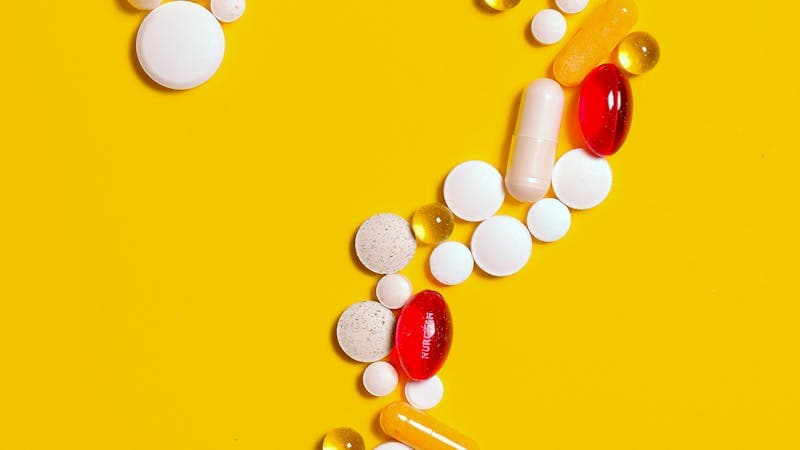
When you take a medication — whether it's ibuprofen for a headache, a blood pressure pill, or an antibiotic for an infection — your body doesn't absorb all of it. A significant portion passes through your system and enters the wastewater stream when you flush the toilet. The same happens when people dispose of unused medications by flushing them down the drain.
These pharmaceutical compounds — along with hormones, antibiotics, antidepressants, and other biologically active chemicals — travel through municipal wastewater treatment plants and into the environment. The problem is that conventional wastewater treatment was designed to remove bacteria and solid waste, not trace pharmaceutical compounds. Many of these chemicals pass through treatment largely intact and end up in the rivers, lakes, and reservoirs that serve as drinking water sources.
The EPA classifies these as "contaminants of emerging concern" (CECs) — substances that have been detected in water sources and may pose risks to human health or the environment, but are not yet regulated under existing drinking water standards.
What's Been Found in the Great Lakes
Rochester draws its drinking water from Lake Ontario, which sits at the downstream end of the entire Great Lakes system. Every municipal wastewater discharge, agricultural runoff event, and industrial release upstream eventually flows toward Lake Ontario. This makes Rochester's water source particularly susceptible to pharmaceutical contamination.
A multi-year U.S. Geological Survey (USGS) study of 44 sampling sites across 16 Great Lakes tributaries detected 110 different pharmaceutical compounds out of 257 monitored. The ten pharmaceuticals identified as having the greatest potential for biological effects included:
- Caffeine and nicotine — stimulants from beverages and tobacco products
- Acetaminophen — the active ingredient in Tylenol
- Sulfamethoxazole — a common antibiotic
- Venlafaxine — an antidepressant (brand name Effexor)
- Carbamazepine — an anti-seizure and mood-stabilizing drug
- Gemfibrozil — a cholesterol-lowering medication
- Metoprolol — a beta-blocker used for high blood pressure
- Albuterol — an asthma medication
The study found that pharmaceutical concentrations were highest near urban areas and correlated strongly with wastewater treatment plant discharge volumes. Lake Ontario, receiving the cumulative flow from Lakes Superior, Michigan, Huron, and Erie, collects pharmaceutical residues from the entire basin's population.
Why Conventional Treatment Doesn't Remove Them
Rochester's Monroe Avenue Water Purification Plant uses a multi-step treatment process: coagulation, sedimentation, sand filtration, and chlorine disinfection. This process is effective at removing bacteria, viruses, sediment, and many regulated chemical contaminants. It meets every EPA standard it's tested against.
But here's the gap: pharmaceutical compounds are not among the contaminants the EPA currently requires municipal water systems to test for or remove. There are no Maximum Contaminant Levels (MCLs) for medications in drinking water. The treatment plant isn't designed to target them, and it isn't required to monitor them.
Research has consistently shown that conventional water treatment processes — coagulation, sedimentation, and chlorination — have limited effectiveness against pharmaceutical compounds. Many of these molecules are specifically designed to be chemically stable (so they remain effective as medications), which makes them resistant to the same treatment processes that break down other contaminants.
Some pharmaceutical compounds are partially removed during conventional treatment — chlorination can degrade certain drugs, and activated carbon (used in some treatment stages) can adsorb others. But removal rates are inconsistent and highly dependent on the specific compound. Studies of drinking water treatment plants have found detectable levels of pharmaceuticals in finished (treated) water.
Should You Be Worried?
This is where the science gets nuanced, and it's important to be honest about what we know and what we don't.
What we know: The concentrations of pharmaceuticals detected in drinking water are extremely low — typically measured in nanograms per liter (parts per trillion). These are orders of magnitude below therapeutic doses. You would need to drink thousands of gallons of water daily to approach a single pill's worth of any detected medication.
What we don't know: The long-term health effects of chronic, low-dose exposure to mixtures of dozens of pharmaceutical compounds simultaneously. Most toxicology studies examine individual chemicals in isolation and at much higher concentrations. The real-world scenario — decades of exposure to a cocktail of trace pharmaceuticals — has not been adequately studied.
Several specific concerns have been raised by researchers:
- Endocrine disruption: Synthetic hormones (from birth control pills and hormone replacement therapy) and endocrine-disrupting compounds have been shown to affect aquatic life at extremely low concentrations. Whether these concentrations affect human health through drinking water exposure is actively debated.
- Antibiotic resistance: The presence of trace antibiotics in water sources may contribute to the development of antibiotic-resistant bacteria — one of the most pressing public health threats of our time.
- Vulnerable populations: Infants, developing fetuses, and people with compromised immune systems may be more susceptible to low-dose chemical exposure than healthy adults.
- Cumulative effects: Even if individual compounds pose minimal risk at detected levels, the combined effect of 50+ pharmaceutical compounds interacting simultaneously is unknown. This "mixture effect" is an active area of research with no clear answers yet.
The honest answer is that pharmaceutical contamination in drinking water is a legitimate and growing concern, but not an immediate crisis. The levels detected are very low, and there's no evidence of acute health effects from drinking treated municipal water. However, the precautionary principle suggests that reducing your exposure — especially for children and pregnant women — is a reasonable step while science catches up.
What Rochester's Water Reports Don't Show
If you read Rochester's annual Consumer Confidence Report (CCR), you'll find that the city tests for and reports on all EPA-regulated contaminants — and consistently meets or exceeds every standard. That's genuinely good news.
But the CCR doesn't include pharmaceutical testing because it's not required. The EPA has placed several pharmaceutical compounds on its Contaminant Candidate List (CCL) — a list of unregulated contaminants that may require future regulation — but has not yet established enforceable limits. This means:
- Rochester is not required to test for pharmaceuticals in finished drinking water
- No data on pharmaceutical levels in Rochester tap water is publicly available through the standard water quality reporting process
- The absence of data doesn't mean the absence of contamination — it means we haven't looked
Given the USGS findings in Great Lakes tributaries and studies of similar municipal water systems, it is reasonable to assume that trace pharmaceutical compounds are present in Rochester's finished drinking water at concentrations consistent with national findings.
How to Remove Pharmaceuticals at Home
The good news is that while municipal treatment has limitations for pharmaceuticals, point-of-use home filtration systems are highly effective. Two technologies stand out:
Reverse Osmosis (RO) — The Gold Standard
Under-sink reverse osmosis systems are the most effective residential technology for pharmaceutical removal. RO works by forcing water through a semipermeable membrane with pores so small that most pharmaceutical molecules cannot pass through.
- Effectiveness: RO systems remove 95-99%+ of pharmaceutical compounds, including hormones, antibiotics, antidepressants, and pain medications
- How it works: The RO membrane rejects molecules based on size — most pharmaceutical compounds are too large to pass through the membrane's pores
- Additional benefits: RO also removes lead, PFAS, microplastics, nitrates, and most other contaminants of concern
- Cost: $300-700 installed at the kitchen sink, with $50-100/year in replacement filters
For Rochester homes concerned about pharmaceuticals, an under-sink RO system at the kitchen tap is the single most impactful upgrade you can make. It addresses pharmaceuticals along with virtually every other drinking water contaminant in one system.
Activated Carbon Filtration — Effective With Caveats
High-quality activated carbon filters (granular activated carbon or carbon block filters) can remove many pharmaceutical compounds through adsorption — the compounds bind to the surface of the carbon.
- Effectiveness: Carbon filters remove 70-95% of many common pharmaceuticals, including ibuprofen, acetaminophen, and many hormones
- Best for: Households that already have an activated carbon system for chlorine and DBP removal — you're getting some pharmaceutical protection as a bonus
- Limitations: Not all pharmaceuticals are equally well-removed by carbon. More hydrophilic (water-soluble) compounds may pass through. Filter capacity also matters — as the carbon becomes saturated, removal rates drop. Regular filter replacement is critical.
- Cost: Whole-house carbon systems ($800-2,000 installed) or countertop/under-sink carbon filters ($100-400)
What Doesn't Work
Some common filtration methods have limited effectiveness against pharmaceuticals:
- Basic pitcher filters: Standard Brita-style pitchers use minimal activated carbon and are not designed for pharmaceutical removal. They'll reduce chlorine taste but shouldn't be relied on for pharmaceutical contaminants.
- Sediment filters: These remove particles but not dissolved chemical compounds.
- Water softeners: Ion exchange softeners are designed for hardness minerals (calcium and magnesium), not pharmaceutical compounds.
- Boiling: Boiling water kills bacteria but does not remove dissolved chemical contaminants. It can actually concentrate them by reducing water volume.
What You Can Do Beyond Filtration
Reducing pharmaceutical contamination in water sources is a community-wide effort. Individual homeowners can make a difference:
- Never flush medications. The FDA and EPA recommend against flushing unused medications down the toilet or drain. Instead, use drug take-back programs. Monroe County holds regular pharmaceutical collection events, and many pharmacies (including CVS and Walgreens locations in Rochester) accept unused medications year-round.
- Use drug take-back programs. The DEA's National Prescription Drug Take Back Day happens twice a year. Monroe County also operates permanent collection sites at several locations.
- Dispose properly. If no take-back program is available, the FDA recommends mixing unused medications with coffee grounds or kitty litter, placing them in a sealed container, and disposing of them in household trash. This prevents them from entering the water supply through either the sewer system or landfill leachate.
The Regulatory Outlook
The EPA is slowly moving toward regulating pharmaceutical contaminants in drinking water. Several pharmaceutical compounds appear on the EPA's Contaminant Candidate List (CCL-5), which identifies contaminants that may need future regulation. The EPA has also initiated monitoring under the Unregulated Contaminant Monitoring Rule (UCMR), which requires a subset of water systems to test for select unregulated contaminants.
However, establishing enforceable limits for pharmaceuticals in drinking water is a complex process that involves toxicological risk assessment, treatment feasibility analysis, and cost-benefit evaluation. Realistic timelines for formal EPA regulation of pharmaceutical contaminants are likely years to decades away.
In the meantime, the responsibility for pharmaceutical removal falls on individual homeowners who choose to add point-of-use filtration. This is consistent with the broader pattern in drinking water quality: municipal treatment provides a baseline of safety, and home filtration adds an extra layer of protection for contaminants that fall outside current regulations.
Protecting Your Family Now
Pharmaceutical contamination in drinking water is a genuine emerging concern — not a reason to panic, but a reason to be informed and proactive. Rochester's position downstream on Lake Ontario means our water source receives the cumulative pharmaceutical load of the entire Great Lakes basin. While concentrations are very low and no acute health effects have been documented, the long-term implications of chronic exposure to pharmaceutical mixtures remain unknown.
The practical solution is straightforward: a point-of-use reverse osmosis system at your kitchen tap removes 95-99% of pharmaceutical compounds along with lead, PFAS, microplastics, and other contaminants. It's an affordable investment that addresses not just pharmaceuticals, but virtually every drinking water concern for Rochester homes.
Start with a free water test. While standard residential water tests don't include pharmaceutical screening, they do identify the full range of regulated contaminants in your water — lead, hardness, chlorine, nitrates, and more. Understanding your water's complete profile helps us recommend the right filtration system for your home, one that addresses both the contaminants we can measure today and the emerging ones we know are present but aren't yet required to test for.
Ready to Know Your Water?
This article covers the "what" and "why"—but every home's water is unique. Our free in-home water test shows you exactly what's in YOUR water and recommends the right filtration solution for your situation.
Schedule Free Water TestRelated Articles

Buying a Home in Rochester? Your Complete Water Quality Checklist
Water quality is one of the most overlooked items on a home inspection checklist. Here's what every Rochester homebuyer should check before closing -- and within the first 30 days.
Read more →
New EPA Lead Rules for 2028: What Every Rochester Homeowner Needs to Know
The EPA's Lead and Copper Rule Improvements take full effect in 2028, lowering the action level to 10 ppb and mandating service line replacement. Here's what it means for Rochester homeowners.
Read more →