Do You Need a Water Softener in Rochester? A Complete Buyer's Guide
Rochester's Water Hardness by the Numbers
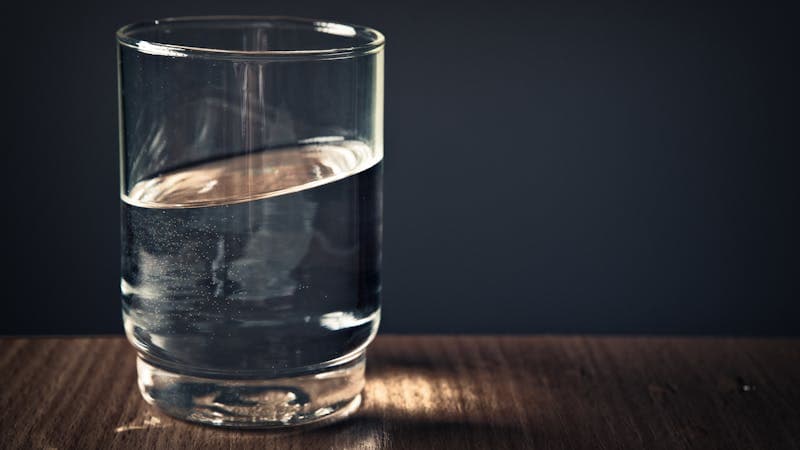
Water hardness is measured in grains per gallon (GPG) or parts per million (ppm). The Water Quality Association classifies anything above 3.5 GPG as "hard" and above 7 GPG as "very hard." Here's where Rochester falls:
City of Rochester municipal water drawn from Hemlock and Canadice Lakes typically tests between 5 and 7.6 GPG (roughly 86-130 ppm). This puts city water solidly in the "hard" category.
Monroe County Water Authority (MCWA) areas -- including suburbs like Greece, Webster, Penfield, Henrietta, and Pittsford -- can see hardness levels ranging from 7 to 12 GPG, especially in zones blended with groundwater sources. Some MCWA distribution routes pull from wells that contribute additional calcium and magnesium.
Private well water in surrounding towns like Mendon, Rush, Riga, and parts of Perinton often tests between 10 and 25 GPG, depending on the local geology. Limestone bedrock in much of western Monroe County is the primary contributor to elevated hardness in well water.
At these levels, hard water isn't a health hazard -- calcium and magnesium are actually beneficial minerals. But the practical consequences are real: shortened appliance lifespans, higher energy bills, clogged pipes, and a never-ending battle with soap scum and scale deposits.
How Hard Water Affects Your Home and Budget
Before spending money on a softener, it helps to understand what hard water is actually costing you. For a typical Rochester family of four dealing with 7-10 GPG water:
- Water heater efficiency drops 22-30% as scale insulates the heating element, forcing the unit to work harder. The U.S. Department of Energy estimates this can add $50-80 per year to your energy bill.
- Appliance lifespans shrink by 30-50%. A water heater that should last 12-15 years may fail in 8-10. Dishwashers and washing machines suffer similar reductions.
- Cleaning product costs increase 20-30% because hard water inhibits soap lathering. You use more detergent, more shampoo, and more dish soap to achieve the same results.
- Plumbing repairs escalate as scale narrows pipe diameter over time. Older Rochester homes with galvanized steel pipes are especially vulnerable to hard water buildup.
Add it up, and hard water can cost a household $400-800 per year in excess energy, cleaning products, and premature appliance replacement. That context matters when evaluating the cost of a softener.
Salt-Based Water Softeners: The Traditional Standard
Salt-based ion exchange softeners have been the industry standard for over 60 years, and for good reason -- they're the most effective method for removing hardness minerals from water.
How they work: Water flows through a tank filled with resin beads charged with sodium (or potassium) ions. As hard water passes through, calcium and magnesium ions swap places with sodium ions on the resin. The result is genuinely soft water with minerals removed. Periodically, the system regenerates by flushing the resin with a salt brine solution, recharging the beads and sending the accumulated minerals down the drain.
Pros:
- Truly removes calcium and magnesium -- the only method that does
- Eliminates scale buildup in pipes, water heaters, and appliances
- Dramatically improves soap lathering and rinsing
- Proven technology with decades of reliability data
- Available in a wide range of capacities for any household size
Cons:
- Adds a small amount of sodium to the water (about 20-30 mg per 8-ounce glass at Rochester hardness levels -- less than a slice of bread)
- Requires regular salt refills (typically every 4-8 weeks)
- Produces brine waste during regeneration
- Not ideal for people on strict sodium-restricted diets (potassium chloride can be substituted at higher cost)
- Requires a drain connection and electrical outlet
For most Rochester homes dealing with moderate to hard water (7+ GPG), a salt-based softener delivers the most noticeable improvement in water quality and the strongest return on investment.
Salt-Free Water Conditioners: A Lower-Maintenance Alternative
Salt-free systems are technically "water conditioners" rather than softeners because they don't remove hardness minerals. Instead, they alter the mineral structure so it doesn't form scale as readily.
How they work: The most common technology is Template Assisted Crystallization (TAC). Water passes through a media that converts dissolved calcium and magnesium into microscopic crystals that remain suspended in the water rather than depositing on surfaces. The minerals are still present, but in a form that's less likely to cause scale.
Pros:
- No salt to buy or refill
- No brine waste or drain connection needed
- Virtually no maintenance beyond occasional media replacement (every 3-5 years)
- No sodium added to water
- No electricity required
- Compact footprint
Cons:
- Does not actually remove minerals -- water still tests as "hard"
- Less effective at preventing soap scum and improving lathering
- Scale prevention (not removal) means existing scale remains
- Less effective at very high hardness levels (above 15 GPG)
- Won't improve dry skin and hair as dramatically as true softening
- Limited independent testing data compared to ion exchange
Salt-free conditioners work best for homes with moderate hardness (5-10 GPG) where the primary concern is protecting pipes and appliances from scale, rather than achieving the full benefits of soft water. They're also a good choice for homeowners who prefer a low-maintenance, chemical-free approach.
Sizing a Water Softener for Your Rochester Home
Buying an undersized softener means frequent regeneration cycles and shortened resin life. Oversizing wastes money on capacity you don't need. Here's how to calculate the right size:
Step 1: Determine your daily water use. The average person uses 75-80 gallons per day. For a family of four, that's roughly 300-320 gallons daily.
Step 2: Multiply by your hardness level. If your water tests at 10 GPG and you use 300 gallons per day: 300 x 10 = 3,000 grains per day that need to be removed.
Step 3: Multiply by regeneration interval. Most softeners regenerate every 7-10 days. At 7 days: 3,000 x 7 = 21,000 grains of capacity needed.
Common sizes for Rochester homes:
- 1-2 people, city water (5-7 GPG): 24,000-grain system
- 3-4 people, city water (5-7 GPG): 32,000-grain system
- 3-4 people, MCWA/suburban water (8-12 GPG): 40,000-48,000-grain system
- 4+ people or well water (12+ GPG): 48,000-64,000-grain system
A qualified installer will verify these calculations based on your actual water test results and household size. Oversizing by one tier is generally safer than undersizing.
Cost Breakdown: What to Expect in Rochester
Water softener costs vary based on type, capacity, brand, and installation complexity. Here's a realistic breakdown for the Rochester market:
Salt-based softeners:
- Equipment: $600-1,800 (depending on capacity and features)
- Professional installation: $300-600
- Annual salt cost: $100-200 (approximately 6-10 bags at $6-8 per 40-lb bag)
- Annual maintenance: $0-150 (most systems need minimal service)
- Total first-year cost: $1,000-2,600
- Annual ongoing cost: $100-350
Salt-free conditioners:
- Equipment: $500-1,500
- Professional installation: $200-400
- Annual maintenance: $0-50
- Media replacement (every 3-5 years): $100-300
- Total first-year cost: $700-1,900
- Annual ongoing cost: $0-75
When you factor in the $400-800 per year that hard water costs in excess energy, cleaning products, and appliance wear, most softener systems pay for themselves within 3-5 years.
Long-Term Savings: The Full Picture
Beyond the direct cost comparison, a water softener delivers compounding savings over time:
- Water heater lifespan: Extends from 8-10 years to 12-15+ years, saving $800-1,500 per replacement cycle
- Dishwasher and washing machine: 30-50% longer lifespan, saving $400-800 over 10 years
- Plumbing maintenance: Reduced scale means fewer service calls and pipe replacements
- Cleaning products: 20-30% reduction in soap, detergent, and cleaning chemical purchases
- Energy efficiency: Restored water heater efficiency saves $50-80/year
Over a 10-year period, a properly sized water softener for a Rochester home typically saves $3,000-6,000 compared to living with untreated hard water. The softener itself costs $1,000-2,600, making it one of the most cost-effective home improvements available.
Why Testing Comes First
Here's the most important piece of advice in this entire guide: don't buy a water softener without testing your water first. There are several reasons this step is essential.
Hardness varies significantly. Two homes on the same street can have different hardness levels, especially in areas served by blended water sources. Your neighbor's experience may not match your situation.
You might have other issues too. A water test can reveal elevated iron, manganese, lead, or other contaminants that affect which softener type and configuration you need. High iron levels, for example, can foul softener resin and require a pre-filter or a softener with iron-removal capability.
You might not need a softener at all. If your water tests at 3-4 GPG, the practical effects are minimal and a softener may not be worth the investment. A simple test saves you from spending money unnecessarily.
Proper sizing requires accurate data. Sizing calculations depend on knowing your exact hardness level. Guessing leads to either an undersized system that regenerates constantly or an oversized one that wastes your money.
Our team offers free in-home water testing throughout Rochester and Monroe County. We'll measure your exact hardness level along with pH, iron, chlorine, lead, and other parameters. Based on the results, we can recommend whether a softener makes sense, which type fits your situation, and the proper size for your household. Schedule a free water test today and take the guesswork out of your decision.
Ready to Know Your Water?
This article covers the "what" and "why"—but every home's water is unique. Our free in-home water test shows you exactly what's in YOUR water and recommends the right filtration solution for your situation.
Schedule Free Water TestRelated Articles

Well Water in Monroe County: Testing & Treatment Guide
~4,500 Monroe County homes rely on private wells with no EPA oversight. Here's what to test for and how to treat the most common issues.
Read more →
PFAS "Forever Chemicals" in the Great Lakes: Should You Worry?
PFAS compounds are being found in water sources across the Great Lakes region. We explain the risks and the most effective removal methods.
Read more →
Microplastics in Drinking Water: What Rochester Families Should Know in 2026
Over 90% of Great Lakes water samples contain microplastics, and new research shows bottled water may be even worse. Here's what Rochester families need to know about this emerging contaminant.
Read more →