Why Rochester Has a Lead Problem
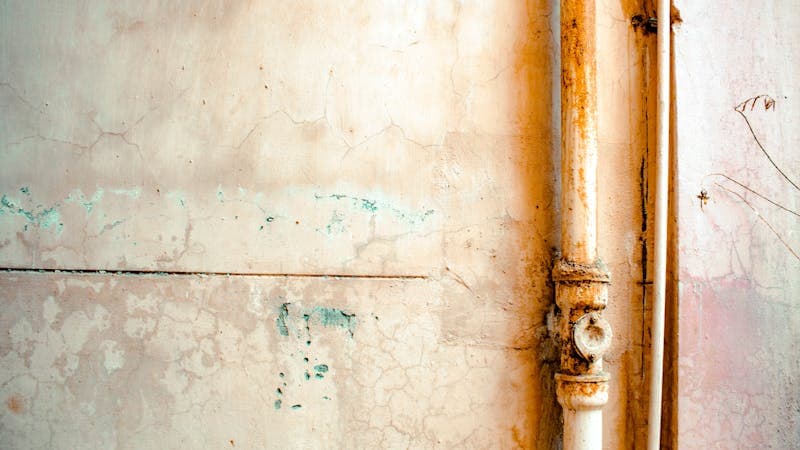
Rochester's lead problem isn't unique to the city, but it's significant. The combination of old housing stock, aging water infrastructure, and naturally acidic Lake Ontario water creates a perfect storm for lead contamination. Approximately one-third of all water service lines in Rochester contain lead—these are the pipes that connect the municipal water main to individual homes.
Lead service lines were standard plumbing practice from the 1800s through the 1980s. They were chosen because lead is corrosion-resistant and easy to work with. In 1986, the EPA finally required lead-free plumbing in new construction, but by then, tens of thousands of lead service lines were already installed throughout Rochester's older neighborhoods. Many still exist today.
How Lead Gets Into Your Water
Lead doesn't dissolve in water—it leaches from the pipe material itself. The rate of leaching depends on several factors: water pH, temperature, how long water sits in the pipes (stagnation), mineral content, and the age of the service line. Rochester's water is slightly acidic, which tends to increase lead leaching compared to harder, more alkaline water sources.
A lead service line doesn't necessarily mean dangerous lead levels in every home. Water that sits in the line overnight, or water drawn during morning hours, tends to have higher lead concentrations. Running the tap for 30 seconds to a few minutes before using water for drinking or cooking can significantly reduce lead exposure by flushing out stagnant water that's been sitting in the line.
The Health Effects of Lead Exposure
Lead is a neurotoxin with no safe exposure level, according to the CDC. Even low-level exposure over time can affect children's cognitive development, behavior, and academic performance. There's no way to observe lead poisoning happening—it's a silent exposure. By the time lead poisoning is diagnosed, irreversible damage has often occurred.
In adults, lead exposure is linked to increased blood pressure, kidney damage, and reproductive problems. Pregnant women are of particular concern because lead stored in bones can be released into the bloodstream during pregnancy, affecting fetal development.
The EPA's Action Level for lead is 15 ppb (parts per billion). If lead exceeds this level in a water sample, the water utility must take corrective action. However, the EPA and CDC have both stated that even levels below the Action Level can be concerning with long-term exposure, especially for children.
Rochester's Lead Service Line Replacement Program
The Rochester Water Authority launched a lead service line replacement program in 2018 with the goal of replacing all lead service lines by 2030. This is a long-term, multi-million dollar infrastructure project. As of 2026, the program has replaced thousands of lines, but thousands more remain.
The current program offers cost-sharing: homeowners pay 10-15% of the replacement cost (typically $1,500-2,000), while the Water Authority covers the remainder. Eligible homes can participate by contacting the Rochester Water Authority or visiting their website. However, with decades of replacements ahead of us, most Rochester homes still have a lead service line today.
Testing Your Water for Lead
If you live in a Rochester home built before 1990, you almost certainly have a lead service line. However, the only way to know if lead is actually leaching into your water is through testing. The EPA recommends testing if your home has lead service lines or lead-containing plumbing.
A simple lead test costs $25-50 through commercial labs or the Monroe County Health Department. For more comprehensive water testing that includes lead plus other contaminants, we offer free in-home water tests that analyze 12+ parameters including lead, hardness, pH, chlorine, and more.
Immediate Steps to Reduce Lead Exposure
While waiting for a service line replacement or deciding on filtration:
- Flush the line: First thing in the morning or if water hasn't been used for several hours, let cold water run from the tap for 30 seconds to a few minutes until water becomes clear and cold. This removes stagnant water where lead has leached.
- Use cold water: Lead leaches more readily in hot water. Use cold water for drinking and cooking. If you need hot water, heat the cold water on the stove rather than using tap hot water.
- Clean aerators: Lead particles can accumulate in faucet aerators. Remove and clean them monthly under running water.
- Boiling doesn't help: Boiling water actually concentrates lead because it removes water but not dissolved lead.
Filtration Solutions for Lead Removal
For effective lead removal, you need the right type of filter. Not all filters remove lead—you need either activated carbon (NSF-certified for lead) or reverse osmosis.
- Activated carbon filters: Pitcher filters (like Brita) and under-sink carbon filters can reduce lead if NSF-certified. They're affordable ($20-200) and easy to install, though they require regular replacement.
- Reverse osmosis systems: These are highly effective at removing lead and many other contaminants. They require installation under the sink or as a whole-house system and typically cost $300-2,000 depending on capacity.
- Whole-house systems: If lead is a concern for bathing water (though absorption through skin is minimal) or if you plan to replace your service line soon, a whole-house filter provides protection throughout the home.
Moving Forward
Lead in Rochester water is a real issue, but it's manageable. Whether through a filtration system now and a service line replacement later, or through other solutions, you can protect your family. Our team has helped many Rochester families address lead concerns. We'll test your water, identify the source and severity of any lead contamination, and recommend the most cost-effective solution for your situation.
Schedule a free water test to find out if lead is present in your home's water. We'll show you the results and discuss your options.
Ready to Know Your Water?
This article covers the "what" and "why"—but every home's water is unique. Our free in-home water test shows you exactly what's in YOUR water and recommends the right filtration solution for your situation.
Schedule Free Water TestRelated Articles
Is Rochester Water Safe to Drink? What the Data Says
Rochester water meets EPA legal limits, but 11 contaminants exceed health advocacy guidelines. We break down the numbers and what they mean for your family.
Read more →
5 Signs You Have Hard Water (And What to Do About It)
Spotty dishes, dry skin, and scale buildup? At 5-7.6 grains per gallon, Rochester water is hard enough to cause real problems. Here's the fix.
Read more →
Whole-House Filter vs. Drinking Water Filter: Which Do You Need?
Both have their place. We compare the two approaches and help you decide what makes sense for your Rochester home and budget.
Read more →