Whole-House Filter vs. Drinking Water Filter: Which Do You Need?
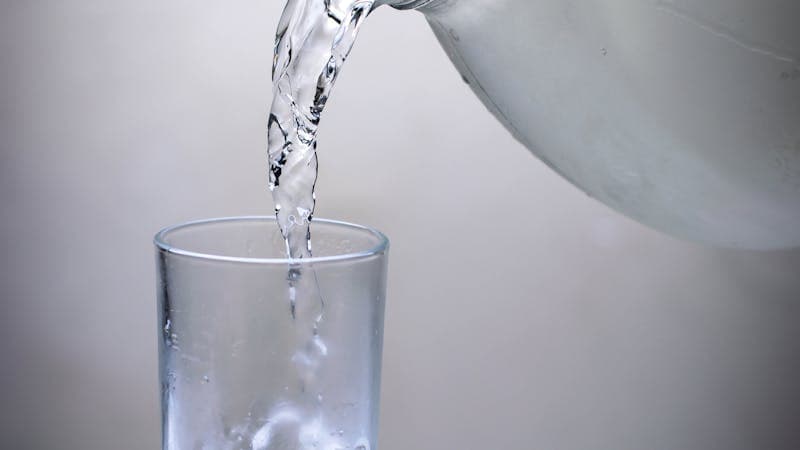
Understanding the Two Approaches
When it comes to improving water quality, homeowners have two main strategies: filtering all the water that enters the home (whole-house filtration) or filtering water at the point where it's used (point-of-use, or POU, like kitchen sink filters). Each approach has distinct advantages and drawbacks, and the right choice depends on your specific water quality issues, budget, and priorities.
Whole-House Filters: Protect Everything
A whole-house water filter is installed where the main water line enters your home, before the water splits off to different areas. All water that flows through your pipes—to the kitchen, bathrooms, shower, laundry, and outdoor faucets—passes through the filter first.
Advantages of Whole-House Filters
- Protects your plumbing and appliances: By filtering sediment and other particles before they reach your pipes, whole-house filters reduce scale buildup in pipes, water heaters, dishwashers, and washing machines. This extends appliance lifespan and maintains water flow.
- Improves water throughout the home: You get clean water for bathing, laundry, and general household use—not just for drinking. Some people with hard water or chlorine issues prefer the improved water quality for everything.
- Reduces chlorine odor and taste everywhere: If chlorine taste and odor bother you, a whole-house carbon filter eliminates it throughout the home, including for showers (where chlorine vaporizes and can irritate airways).
- More economical for heavy use: For large families or homes with high water consumption, a whole-house filter filters more water per dollar spent than replacing multiple POU filters.
- Professional installation: Whole-house systems are typically installed by professionals, ensuring proper sizing and bypass configuration.
Disadvantages of Whole-House Filters
- Higher upfront cost: Whole-house systems cost $800-3,000+ installed, depending on type and water quality issues. Point-of-use filters cost $20-500.
- Maintenance required: Most whole-house filters require cartridge replacements every 6-12 months at $50-200 per cartridge. Water softeners require salt refills ($100-200/year). This is an ongoing cost.
- Not ideal for specific contaminants: If your only concern is lead or other specific contaminants in drinking water, a whole-house filter may be overkill. Whole-house carbon filters are less effective at removing lead than point-of-use RO systems.
- Space and installation requirements: You need space for the filter unit, typically in a basement, garage, or utility room. Installation may require modifications to your plumbing.
Point-of-Use (POU) Filters: Target Specific Issues
Point-of-use filters install at the specific location where water is needed: an under-sink filter, a faucet-mounted filter, or a pitcher filter. Water enters the filter, contaminants are removed, and clean water comes out. Water that doesn't pass through the filter (at other faucets) is untreated.
Advantages of Point-of-Use Filters
- Lower upfront cost: Under-sink filters cost $100-500 installed. Pitcher filters and faucet-mounted filters cost $20-100 with no installation needed.
- Targets specific contaminants: If you're concerned about lead or arsenic in drinking water, you can choose a reverse osmosis (RO) system that removes these specifically. You don't need to filter water for the shower or laundry.
- Easy to install and replace: Most POU filters are DIY-friendly. Cartridge replacements are simple and don't require a plumber.
- Flexible capacity: You only treat water where you need it, so you don't need to size a large system. A pitcher filter in the kitchen is perfect for some families.
Disadvantages of Point-of-Use Filters
- Doesn't protect appliances: Scale buildup still occurs in water heaters and pipes. Sediment still clogs fixtures. Only water that passes through the filter gets cleaned.
- Higher per-gallon cost: Cartridge replacements are frequent and add up. For a family that drinks a lot of filtered water, the cost per gallon can exceed whole-house filtration.
- Limited coverage: You must remember to use the filtered tap for drinking and cooking. Unfiltered water is available everywhere else, which can be convenient but also means inconsistent protection.
- Maintenance can be inconsistent: If you forget to replace cartridges, you're using an expired filter. Whole-house systems, especially if professionally maintained, are less likely to be neglected.
Comparing Costs for a Rochester Family
Let's say a typical Rochester family has concerns about lead (from aging service lines), hardness (scale in appliances), and chlorine taste/odor.
Option 1: Whole-House Carbon Filter + Softener
- Installation: $2,000-3,500
- Cartridge replacements: $100/year
- Salt refills: $150/year
- Year 1 total: $2,250-3,650
- Year 5 total: $2,500-4,150
Option 2: Under-Sink RO Filter + Pitcher Filter
- Installation: $300
- Cartridge replacements: $150/year (RO + pitcher combined)
- Year 1 total: $450
- Year 5 total: $1,050
Option 3: Combination Approach (Best for many Rochester homes)
- Whole-house carbon filter for chlorine/taste issues + shower quality: $1,200
- Under-sink RO for drinking water + lead removal: $400
- Total installation: $1,600
- Year 1 total: $1,750 (including maintenance)
- Year 5 total: $2,350
What Rochester Homeowners Actually Need
In our experience helping Rochester families, we find that many benefit most from a combination approach:
- A whole-house carbon filter for chlorine taste/odor and some sediment removal, protecting appliances and improving shower quality.
- An under-sink reverse osmosis system for the kitchen sink, targeting lead and other specific contaminants where you drink and cook.
- Optionally, a water softener if hardness is a significant issue (scale buildup, dry skin) or if appliance replacement is imminent.
This approach typically costs $1,500-2,500 installed and provides comprehensive protection without the maintenance burden of a full whole-house softening system.
Special Cases
Lead is your only concern? Go with a point-of-use RO system at the kitchen sink. You get targeted lead removal where it matters most (drinking water) at a reasonable cost.
You have a private well? This is a case where whole-house filtration makes more sense because untreated well water is less reliable than municipal water. A whole-house system protects against more variables.
You rent? Portable pitcher filters and faucet-mounted filters are your best options since you can take them with you.
The Right Choice for Your Home
The decision between whole-house and point-of-use filtration depends on your specific water quality issues. That's why we recommend starting with a free water test. We'll identify exactly what contaminants are present in your water, discuss which approach addresses your top concerns, and recommend a solution that fits your budget and lifestyle.
Schedule a free water test today. We'll show you the results and help you decide whether a whole-house system, a point-of-use filter, or a combination approach is right for your Rochester home.
Ready to Know Your Water?
This article covers the "what" and "why"—but every home's water is unique. Our free in-home water test shows you exactly what's in YOUR water and recommends the right filtration solution for your situation.
Schedule Free Water TestRelated Articles

Lead in Water: What Rochester Homeowners Need to Know
1 in 3 Rochester water lines contains lead, and the city's replacement program won't finish until 2030. Here's how to protect your family now.
Read more →
5 Signs You Have Hard Water (And What to Do About It)
Spotty dishes, dry skin, and scale buildup? At 5-7.6 grains per gallon, Rochester water is hard enough to cause real problems. Here's the fix.
Read more →
Well Water in Monroe County: Testing & Treatment Guide
~4,500 Monroe County homes rely on private wells with no EPA oversight. Here's what to test for and how to treat the most common issues.
Read more →